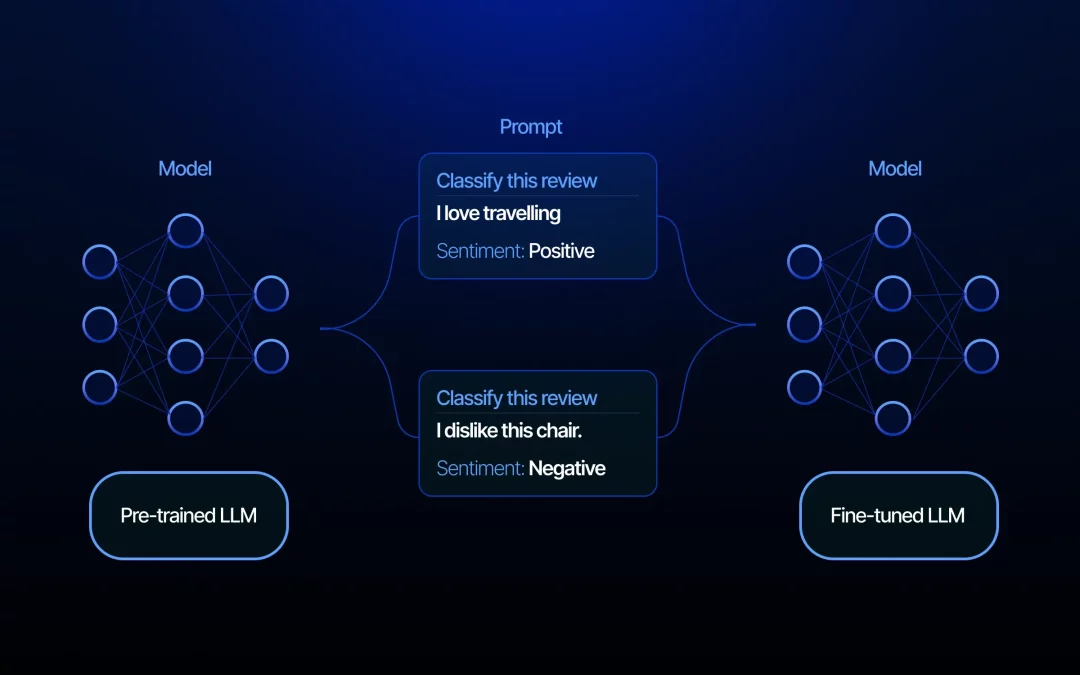
Introduction Instruction tuning represents a paradigm shift in how we leverage large language models (LLMs). Instead of relying solely on pre-trained models to generate text, instruction tuning allows us to fine-tune these models, guiding them to be more aligned with...
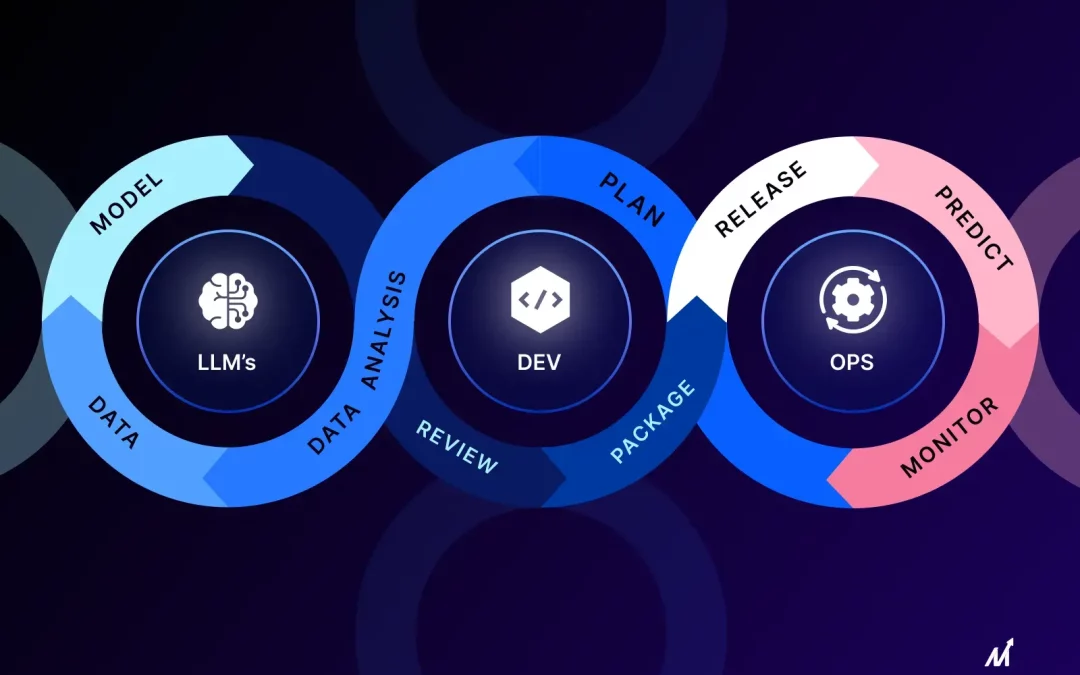
Deploying Large Language Models (LLMs) into real-world applications goes beyond simple model training. The process involves multiple phases, such as data preparation, model fine-tuning, deployment, and continuous performance monitoring. These stages demand seamless...
The landscape of Natural Language Processing has shifted dramatically with the introduction of large language models (LLM) like OpenAI’s GPT series and Google’s Transformer-based models. These LLM applications aren’t just incremental improvements but...
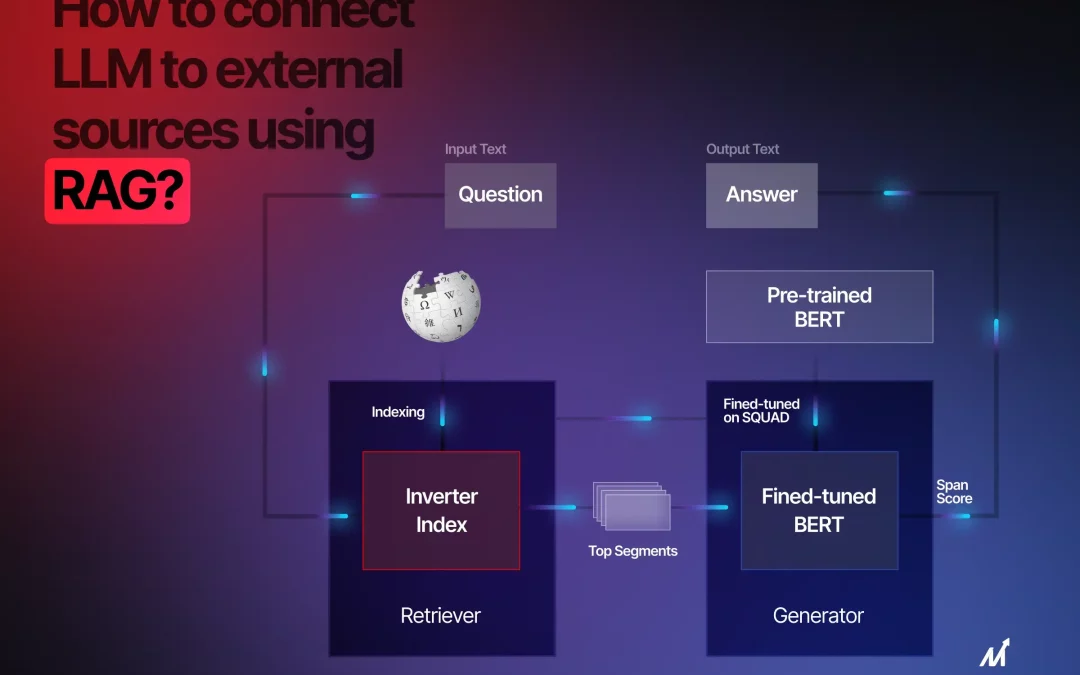
Retrieval Augmented Generation (RAG) and Large Language Models (LLMs) like GPT variants both play distinct yet interrelated roles in advancing machine learning applications. Initiated as separate entities—RAG for enhancing data sourcing and LLMs for linguistic...
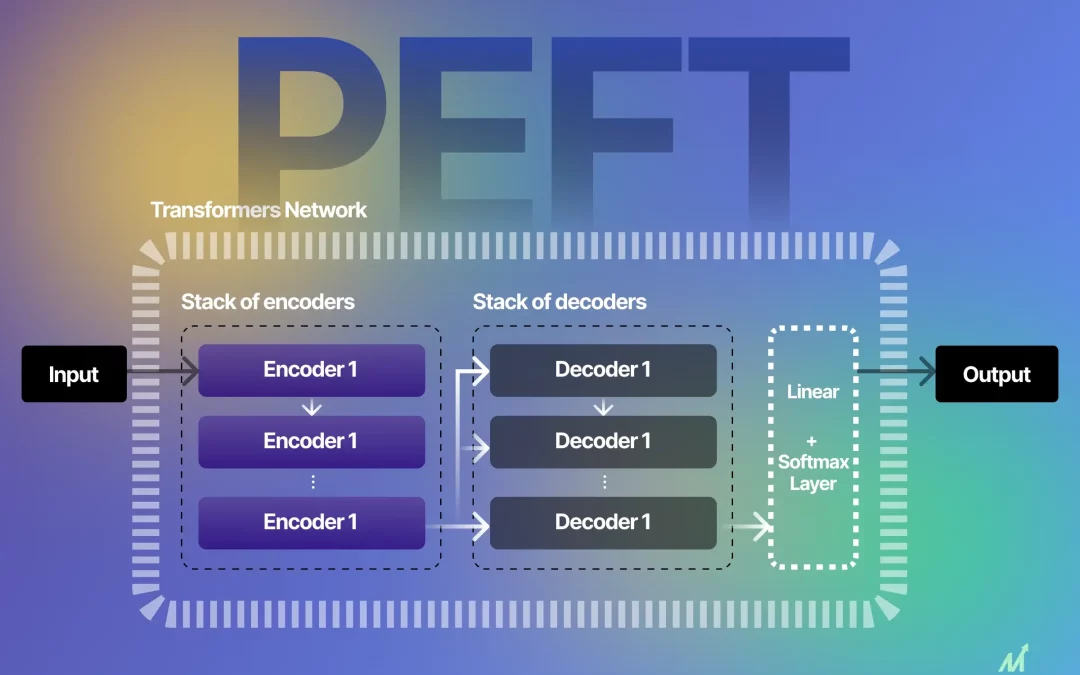
PEFT (Parameter Efficient Fine Tuning) – This term can make anyone curious, and today we will discuss everything about PEFT in this blog. In the ever-evolving sphere of Natural Language Processing (NLP), a seismic shift has occurred. With the introduction of...
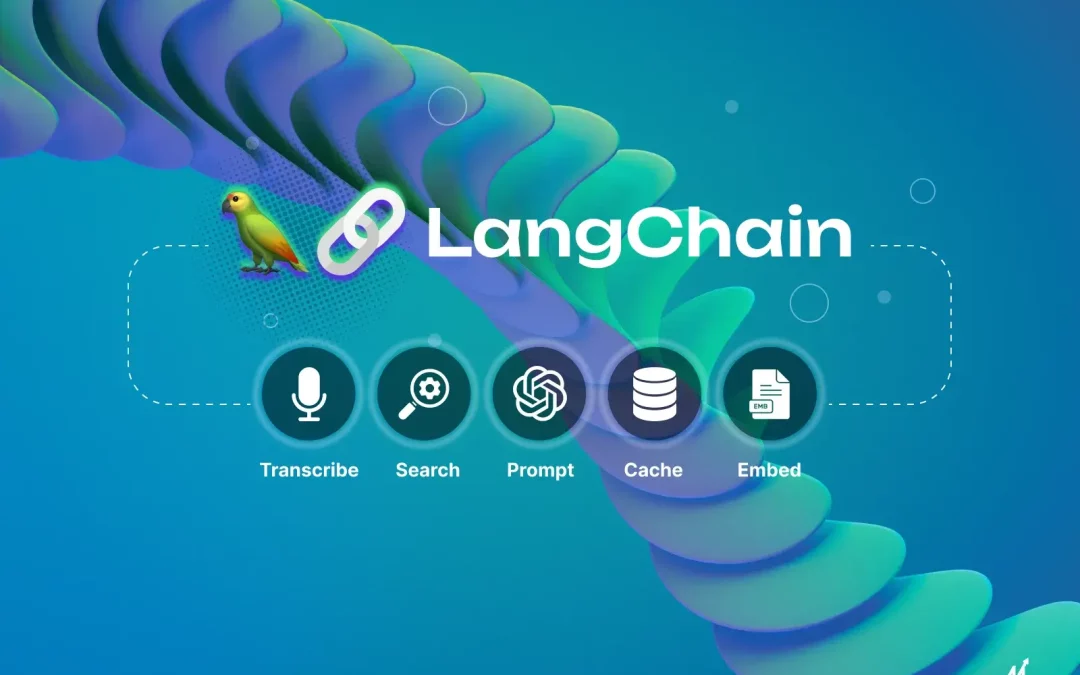
LangChain is an innovative framework designed to unlock the full potential of large language models, enabling developers to build powerful LLM applications with ease. By providing a robust set of tools and interfaces, LangChain streamlines the process of working with...