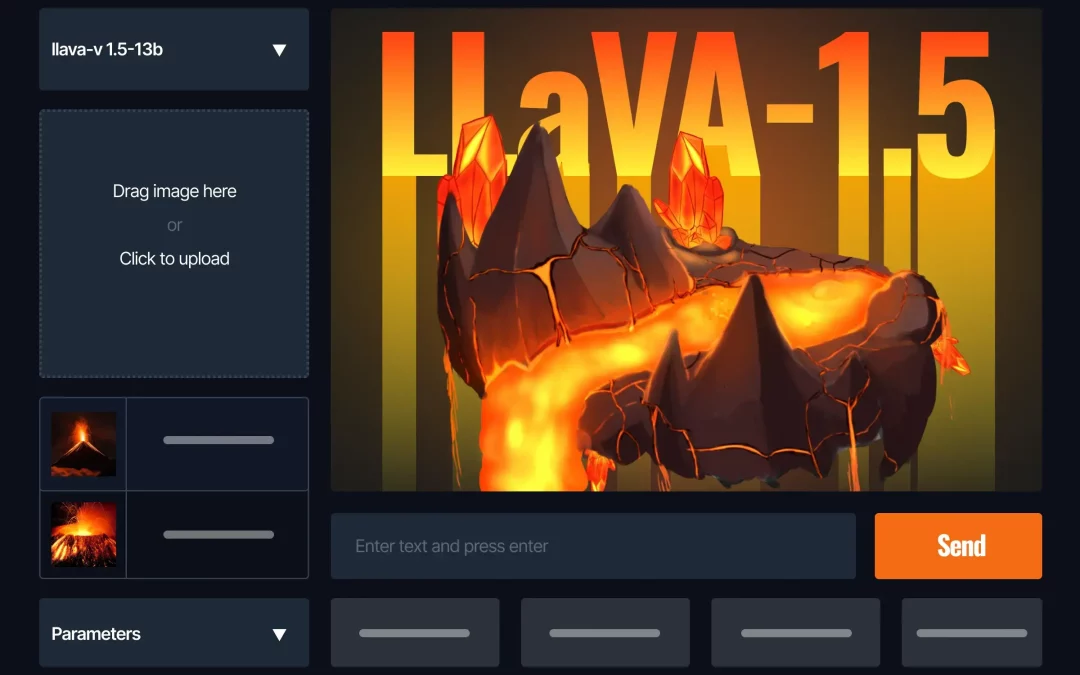
During 2023, the technological landscape has experienced remarkable progress in the sphere of large language model and multi-modal language models. The primary concentration has predominantly been creating computational frameworks capable of assimilating text and...
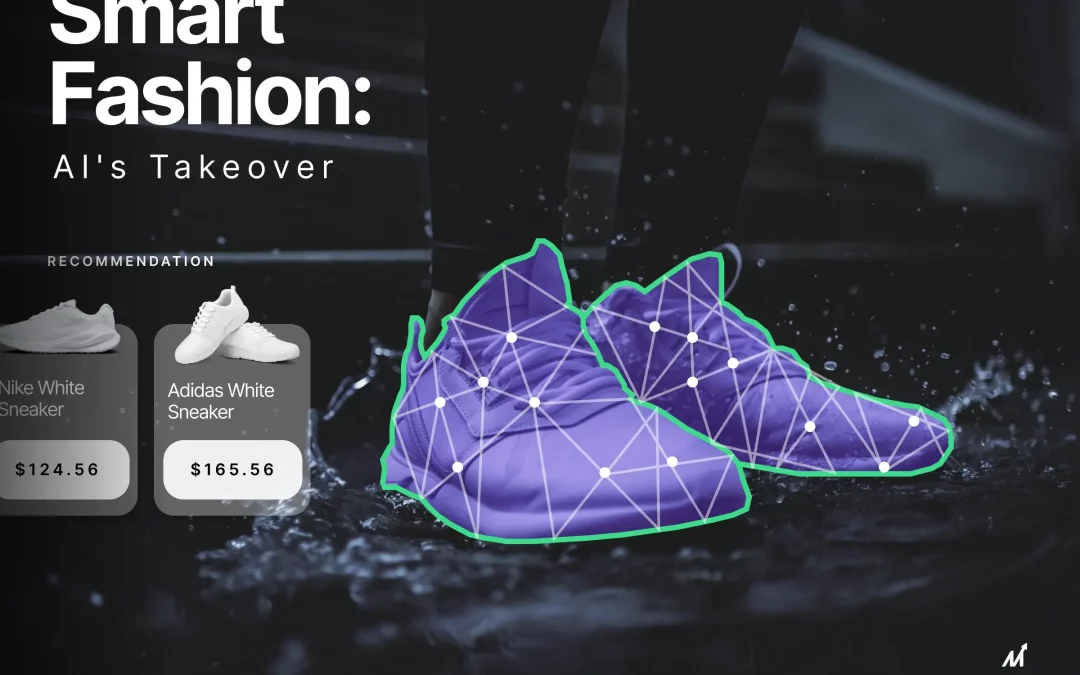
Integrating technology, specifically artificial intelligence, with the fashion industry is a beacon signaling its rising importance. This AI in fashion convergence is more than just a mere trend; it is a transformative force reshaping the very fabric of the industry....
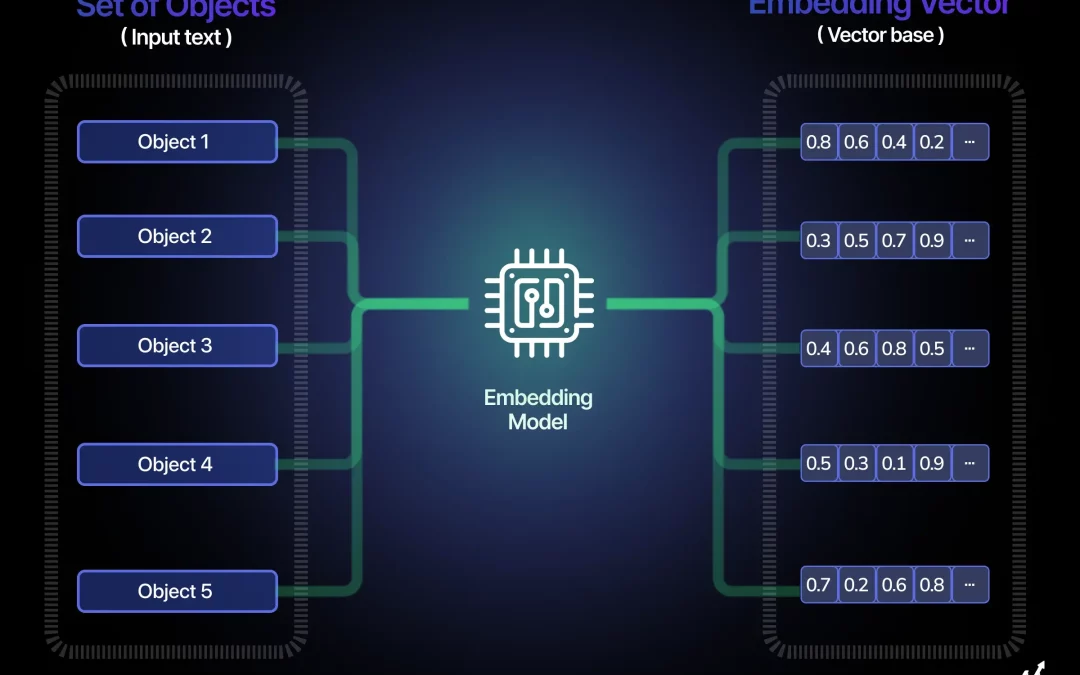
What is Embedding? Embeddings turn complex data like text or images into simpler, numerical forms. Think of it like turning a whole book into a summary that still captures the book’s main points. This makes it easier to work with large sets of data. The key idea...
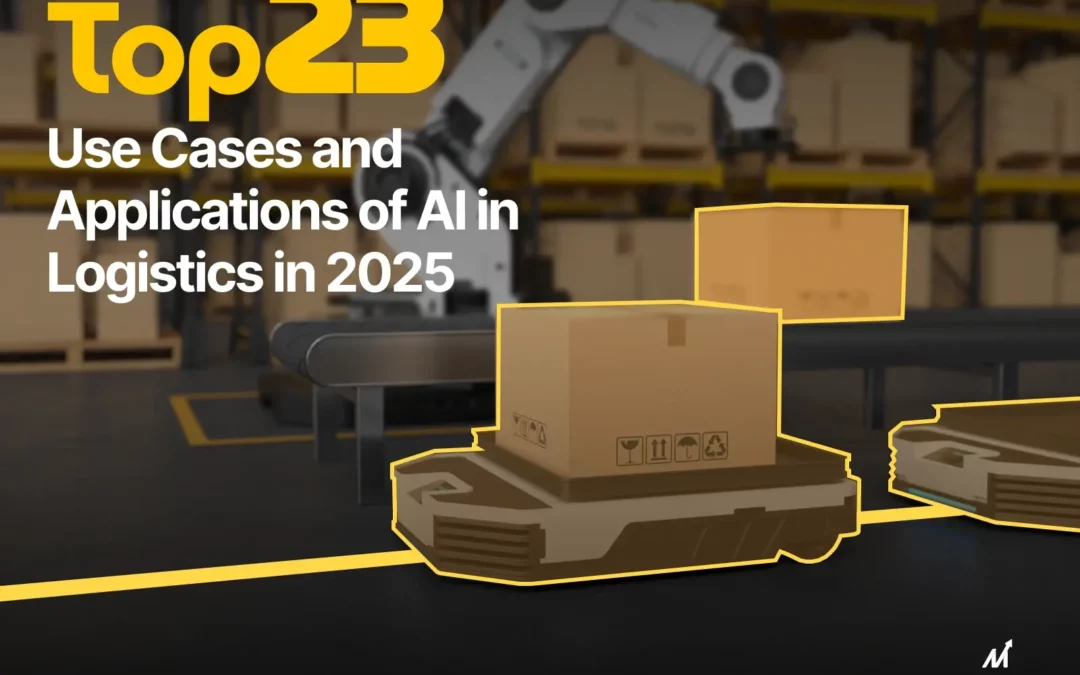
Due to the explosion in online shopping, inefficiency in the supply chain has become a serious problem. Everyone wants their items delivered yesterday, and to make that happen, logistics needs to be smarter and faster. That’s why the Logistics industry is...
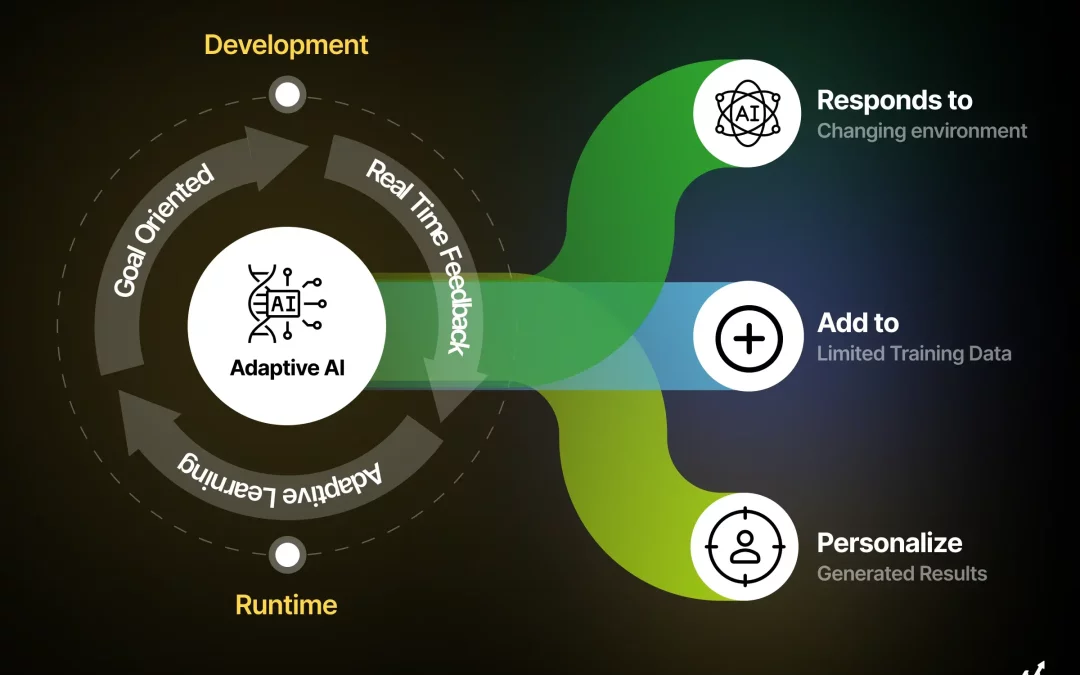
In the ever-evolving sphere of artificial and machine intelligence, a new paradigm is taking shape—Adaptive AI. According to Gartner, by 2026, organizations that embrace AI engineering methodologies to build and manage adaptive AI systems will surpass their...
The landscape of Natural Language Processing has shifted dramatically with the introduction of large language models (LLM) like OpenAI’s GPT series and Google’s Transformer-based models. These LLM applications aren’t just incremental improvements but...