In manufacturing, quote profitability is determined long before production begins. It starts with the Bill of Materials. When BOMs are inaccurate or out of sync with engineering changes, quotes become unreliable, leading to margin erosion, lost RFQs, and costly...
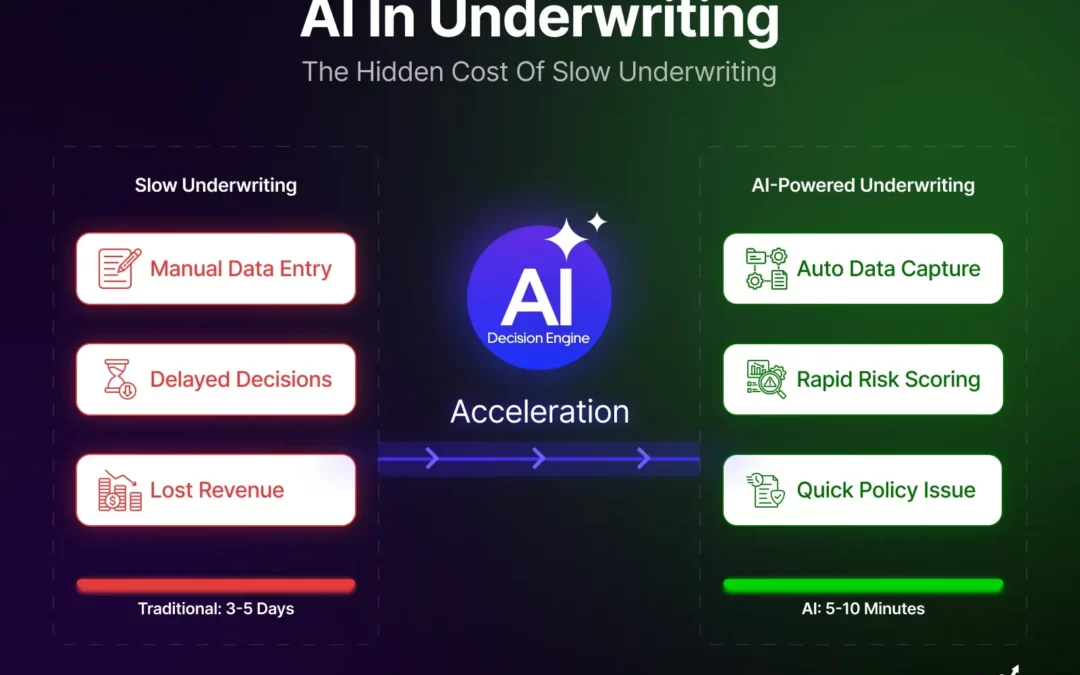
Underwriting has long been a time-intensive function, with decisions for standard applications often taking three to five days to complete. Yet a recent analysis shows that when insurers adopt AI in underwriting, the decision time can shrink to as little as 12.4...
Law firms are adopting AI because their core work demands it. Matter volumes are increasing, deadlines are tighter, and clients expect more efficiency without compromising quality. These pressures affect high-volume litigation and transactional practices as well as...
Due diligence is becoming increasingly complex as businesses navigate larger data volumes, tighter timelines, and higher expectations for accuracy. Traditional manual review methods, once central to financial, legal, operational, and compliance assessments, often...
Misinterpreting GD&T symbols, tolerances, or part features can slow production, increase scrap, and undermine quoting accuracy. Yet many manufacturers still rely on manual blueprint reading – an approach that introduces inconsistency and creates bottlenecks...
Long checkout lines, rising labor pressure, and shrinking margins have pushed retailers to rethink the in-store experience. Cashierless store technology has emerged as one of the clearest answers, using AI, computer vision, and real-time sensors to remove friction...