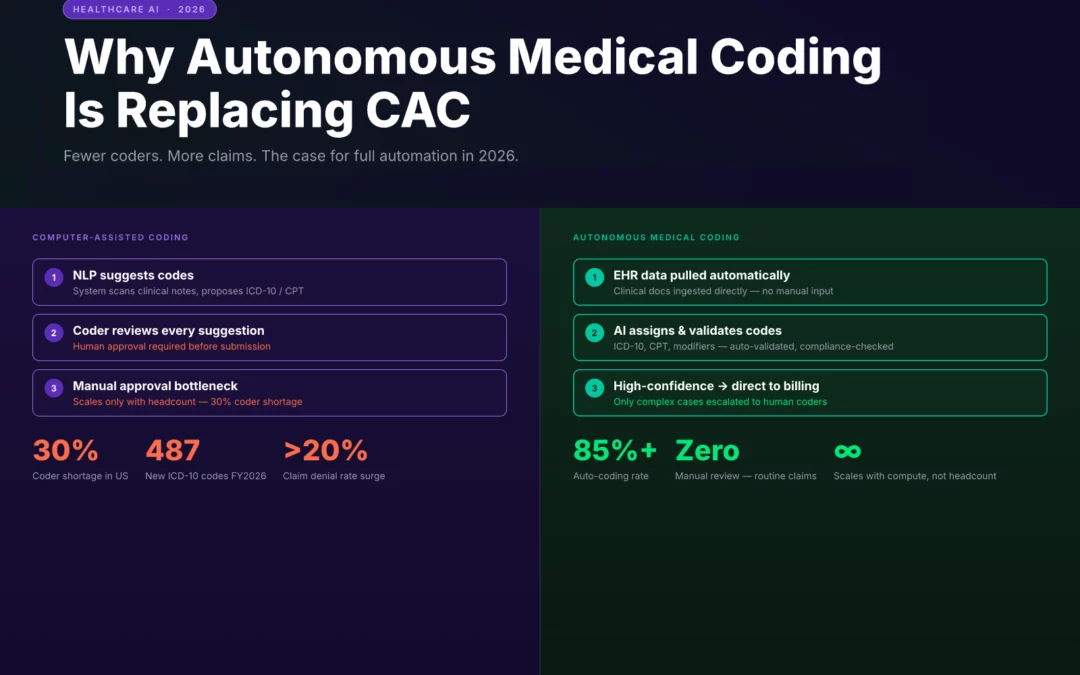
Medical coding has always been complex — thousands of ICD-10 and CPT codes, frequent payer rule updates, and zero room for billing errors. For years, Computer-Assisted Coding (CAC) has helped organizations manage this complexity by suggesting codes for human review....
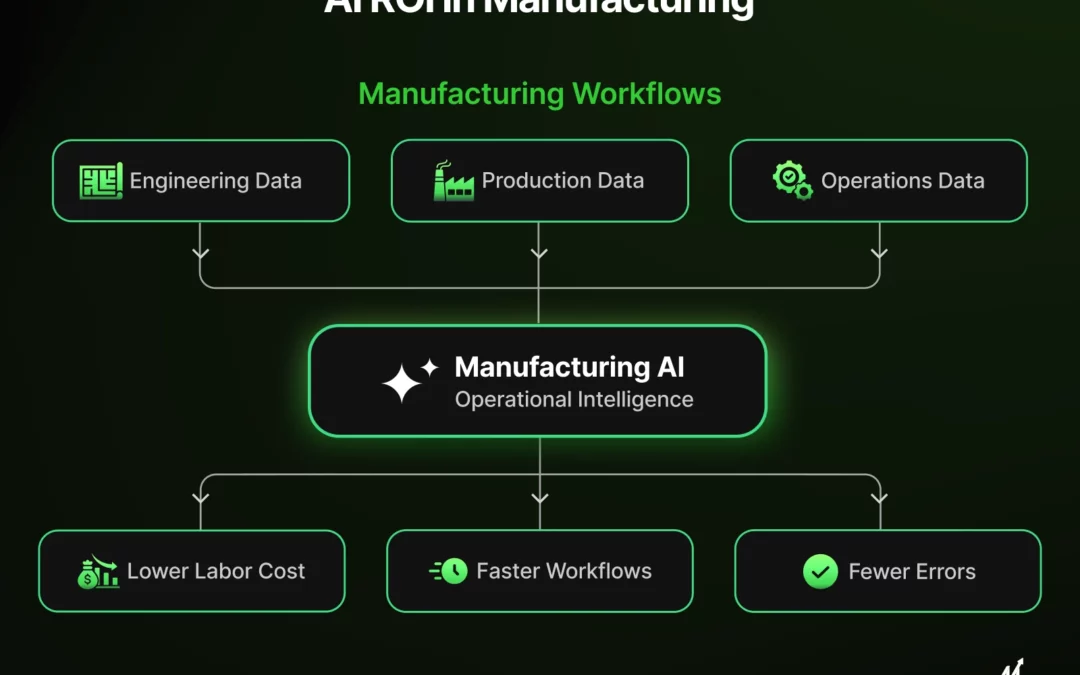
Manufacturing leaders are no longer asking whether AI works. They are asking something far more specific: what will it actually cost us, and what will we get back? That shift in the conversation signals a turning point. AI in manufacturing has moved from pilot...
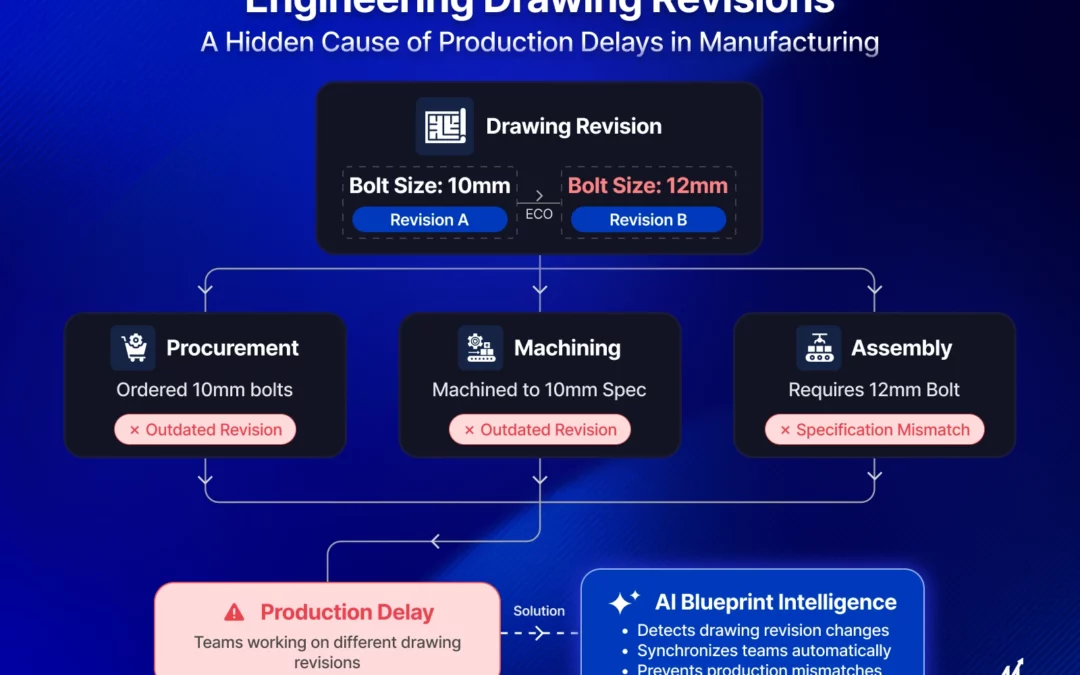
Engineering drawing revisions are unavoidable — but production delays from them are not. In heavy manufacturing environments, engineering drawings rarely remain static. As designs evolve, materials change, tolerances are refined, and project requirements shift,...
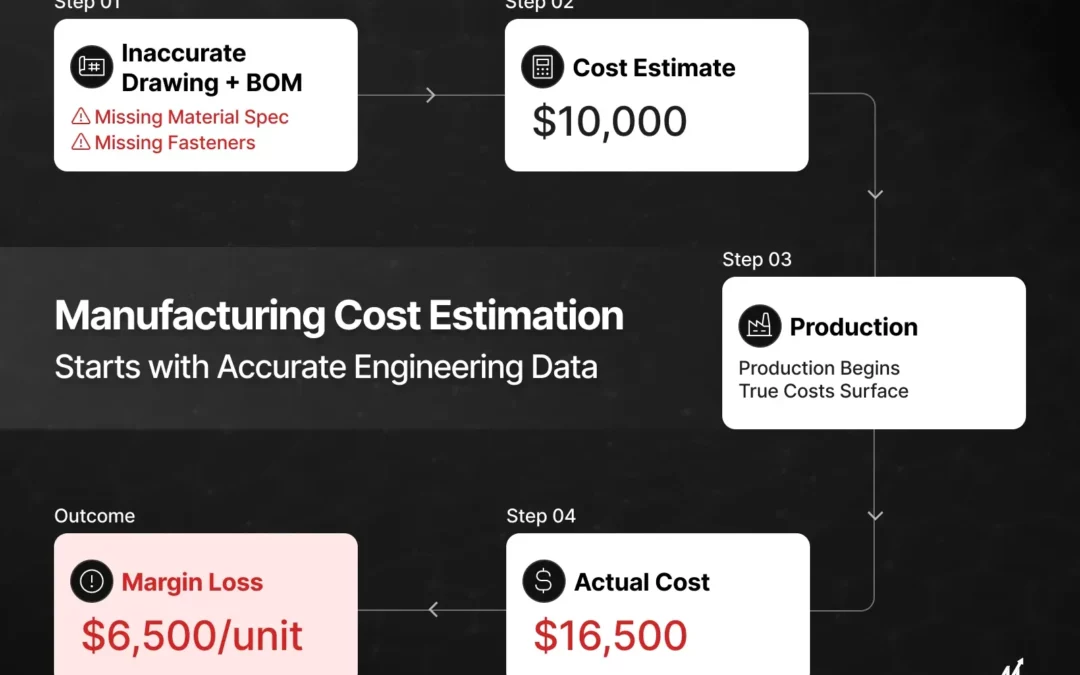
A few months ago, a heavy-industry contractor approached us with an urgent request. They had received a multi-million-dollar project opportunity and needed to turn around a budget estimate quickly. The drawings were ready. The deadline wasn’t flexible. What they...
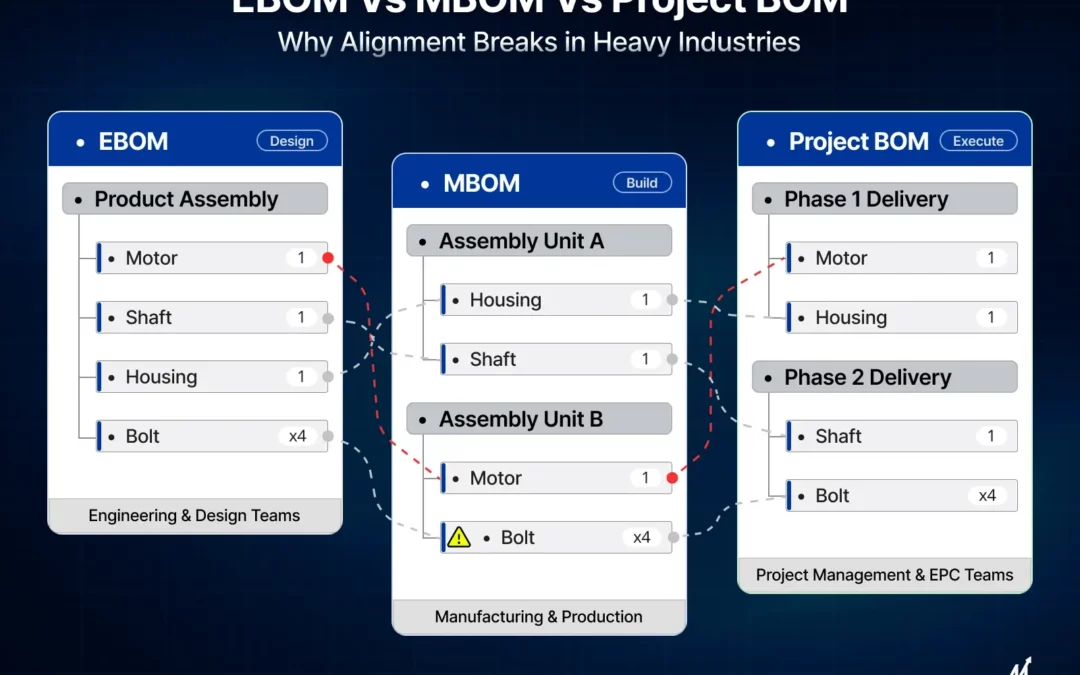
In heavy industries such as construction, energy, aerospace, and industrial equipment, projects depend on accurate material and component data. A Bill of Materials (BOM) defines what needs to be built, procured, assembled, and maintained. But not all BOMs serve the...
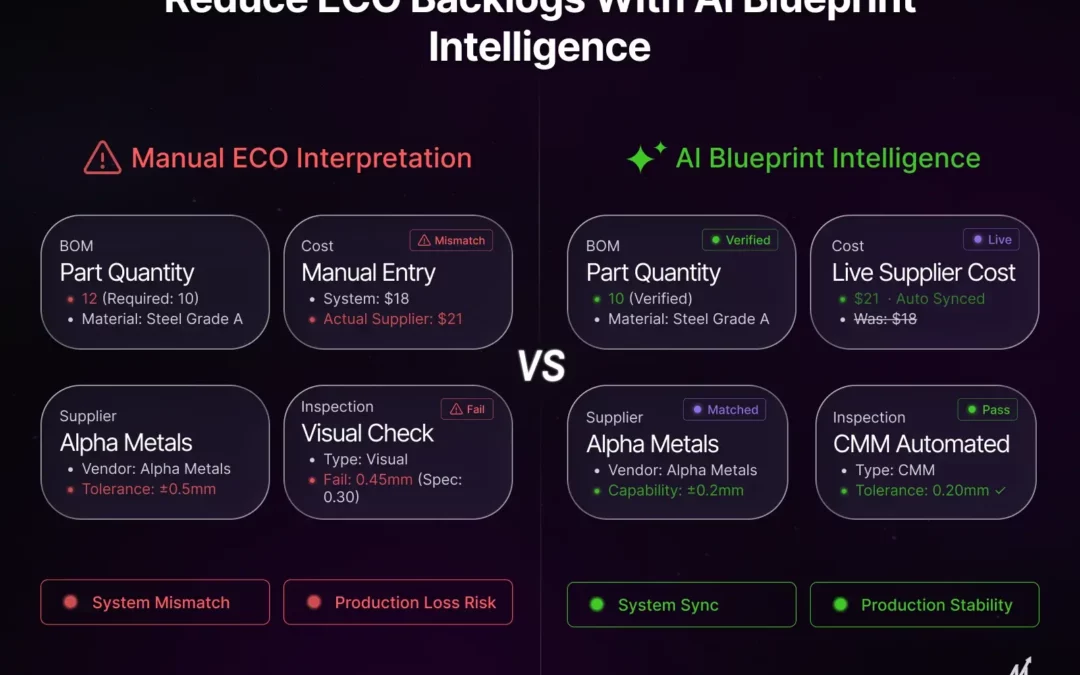
In aerospace, defense, and complex manufacturing programs, Engineering Change Orders (ECOs) are unavoidable. Designs evolve. Tolerances change. Materials are substituted. Compliance requirements shift. Every revision must be reflected across drawings, BOMs, cost...