Customers expect next-day delivery, fuel and labor costs keep rising, and one port delay can ripple through a whole network. That’s why logistics teams are putting AI to work, and the spending shows it. The AI in logistics and supply chain market was worth about...
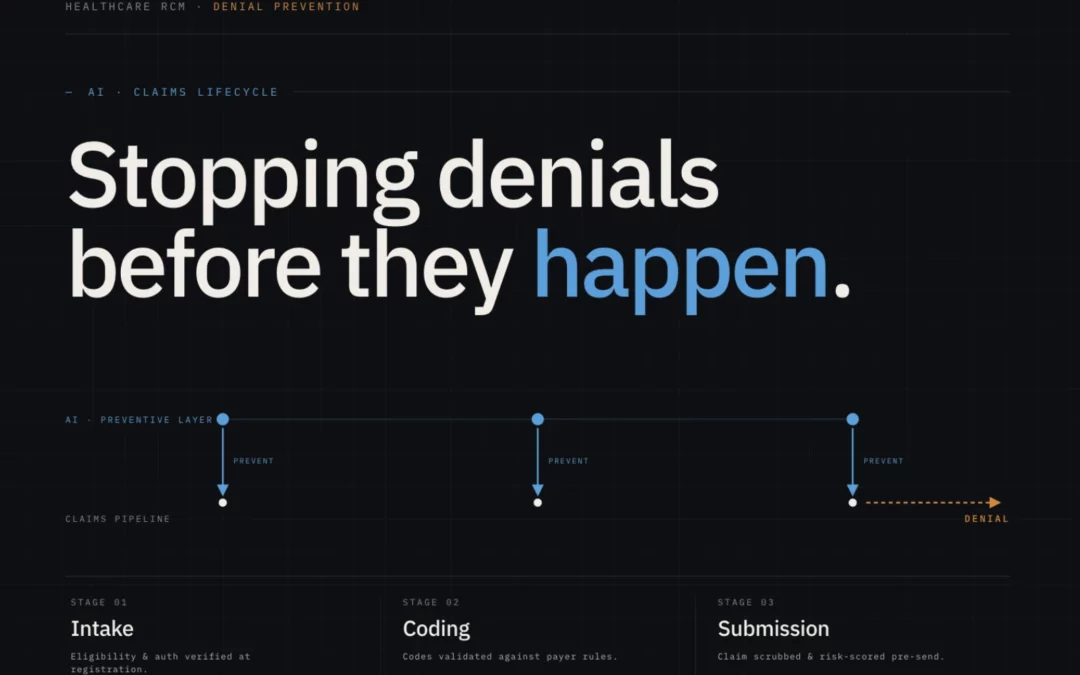
Claim denials are not a new problem in healthcare revenue cycle management. But the scale at which they are occurring, and the speed at which payers are generating them, has changed significantly. According to the American Hospital Association, hospitals and health...
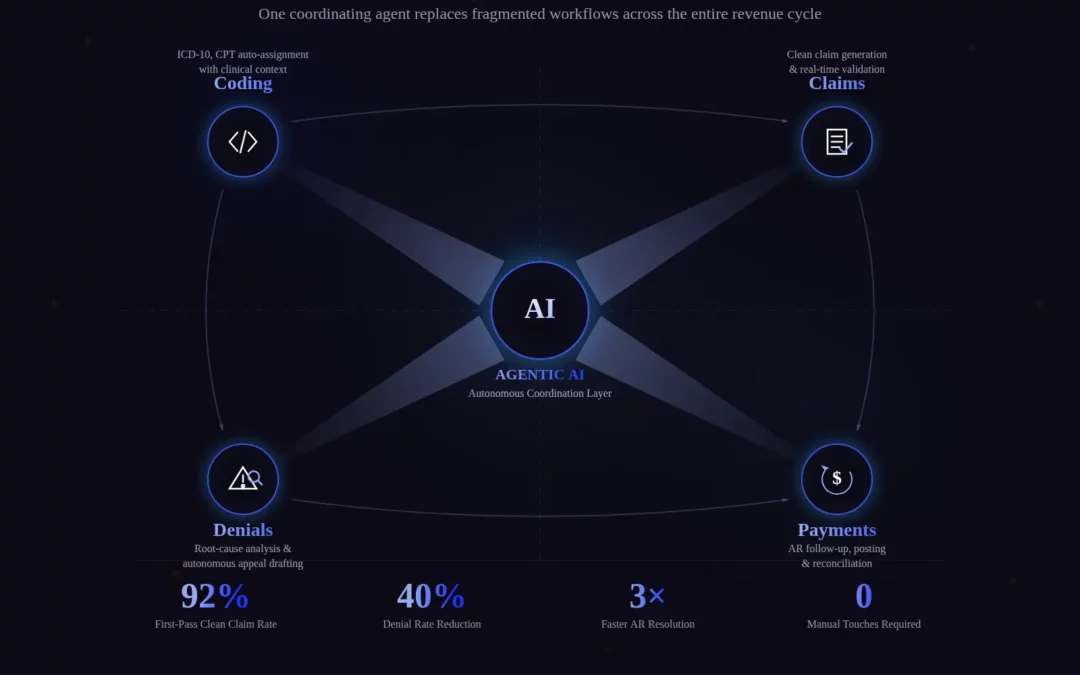
Revenue cycle management has never been a simple problem. Across coding, billing, claims, and denials, RCM teams are managing hundreds of interdependent workflows, and the margin for error keeps shrinking. The pressure is real. According to McKinsey, health systems...
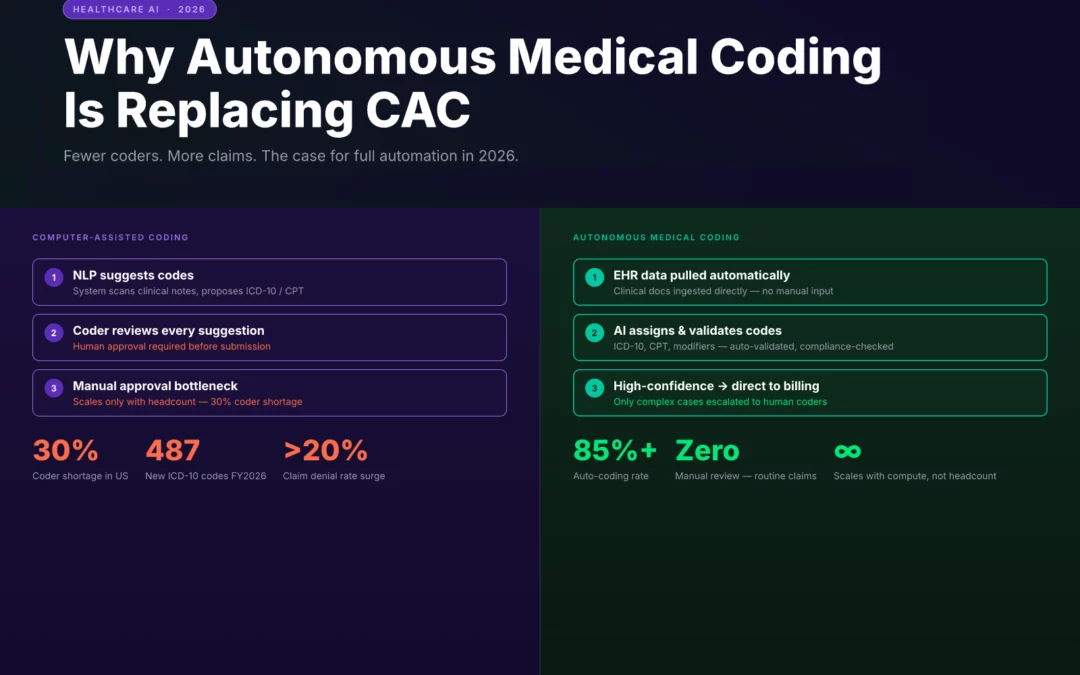
Medical coding has always been complex — thousands of ICD-10 and CPT codes, frequent payer rule updates, and zero room for billing errors. For years, Computer-Assisted Coding (CAC) has helped organizations manage this complexity by suggesting codes for human review....
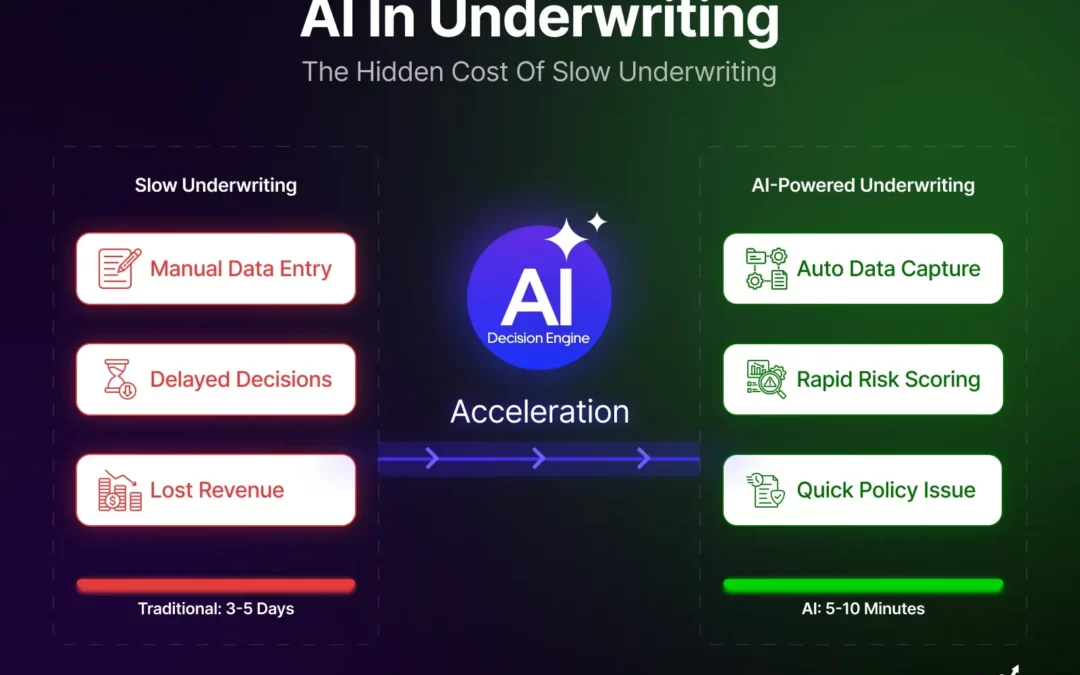
Underwriting has long been a time-intensive function, with decisions for standard applications often taking three to five days to complete. Yet a recent analysis shows that when insurers adopt AI in underwriting, the decision time can shrink to as little as 12.4...
Law firms are adopting AI because their core work demands it. Matter volumes are increasing, deadlines are tighter, and clients expect more efficiency without compromising quality. These pressures affect high-volume litigation and transactional practices as well as...