



Delivering adaptive AI solutions to meet evolving market demands and customer behaviors
Our adaptive AI development services
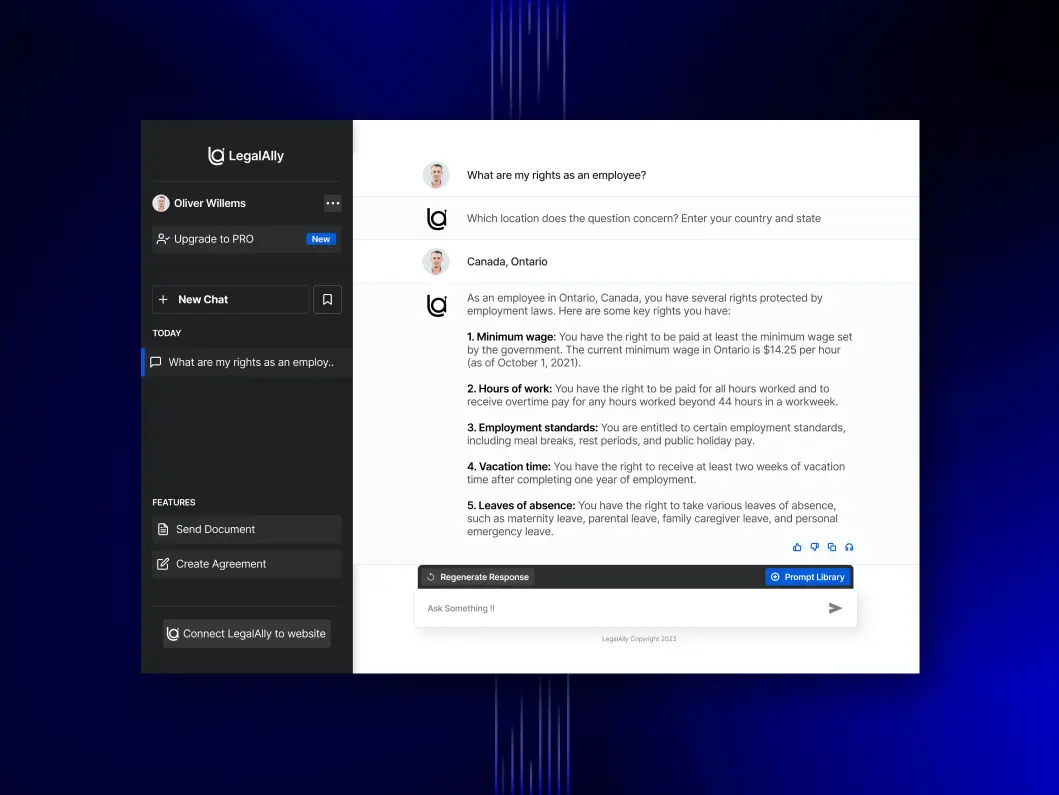
Reimagine Legal Support Driven by in-Depth Legal Research
- Legal Chatbot Assistant
- Improved Communication Efficiency
- Research Time Reduction by 64%
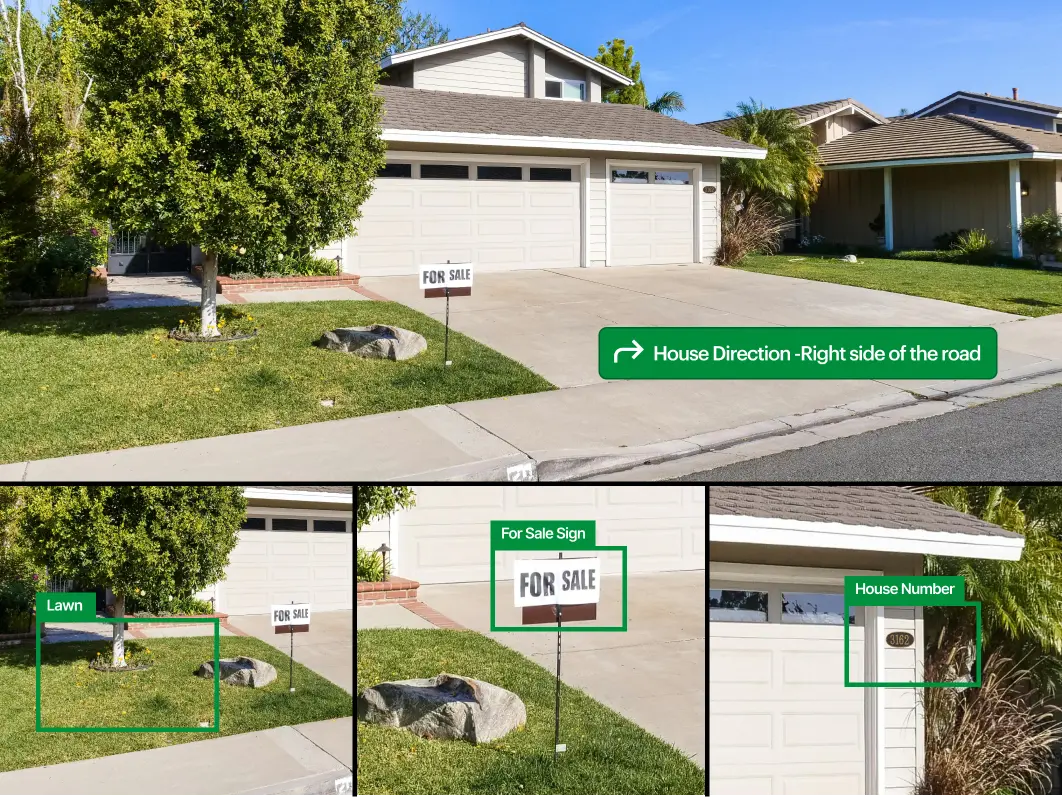
Reduced Inspection Times for Property Inspectors
- Deep learning and computer vision driven image data extraction
- GPT-based NLP chatbot for enhanced customer experience
- Improved work efficiency by 80%
- Image classification for detecting anomalies
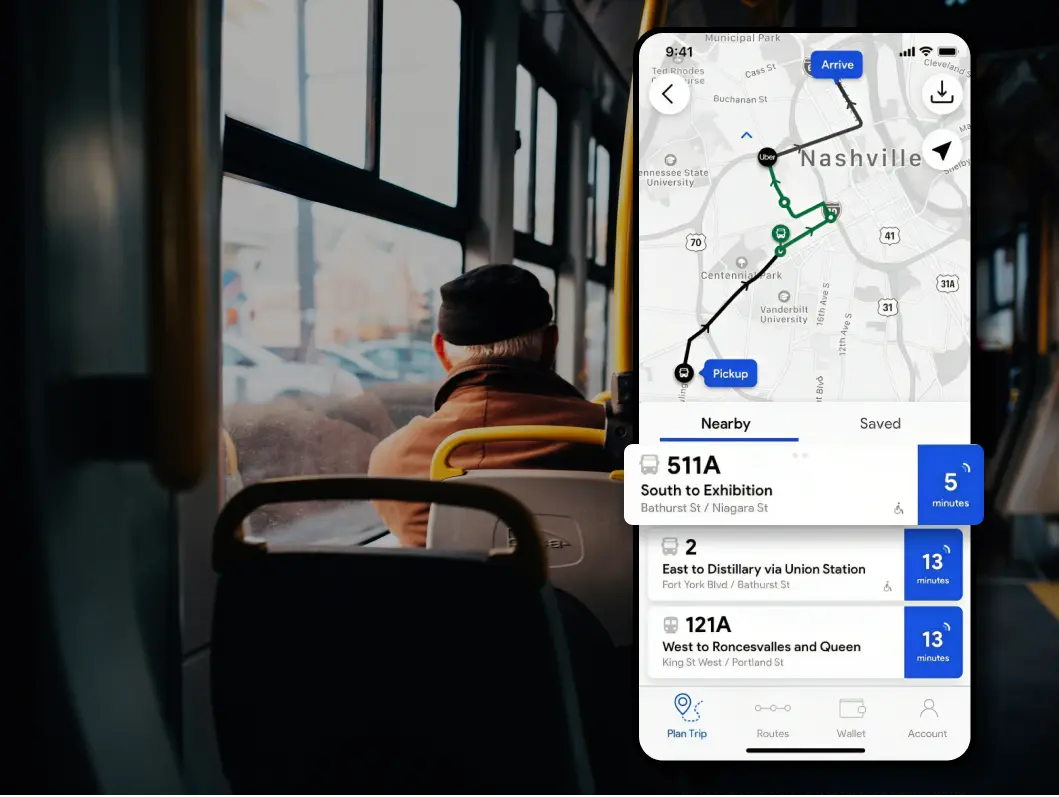
Helped Trapeze Group, Revolutionize Mobility with a Paratransit Solution
- Real-time vehicle tracking
- Advanced algorithms for efficient route planning
- In-app communication interfaces
- Strict adherence to accessibility and privacy laws
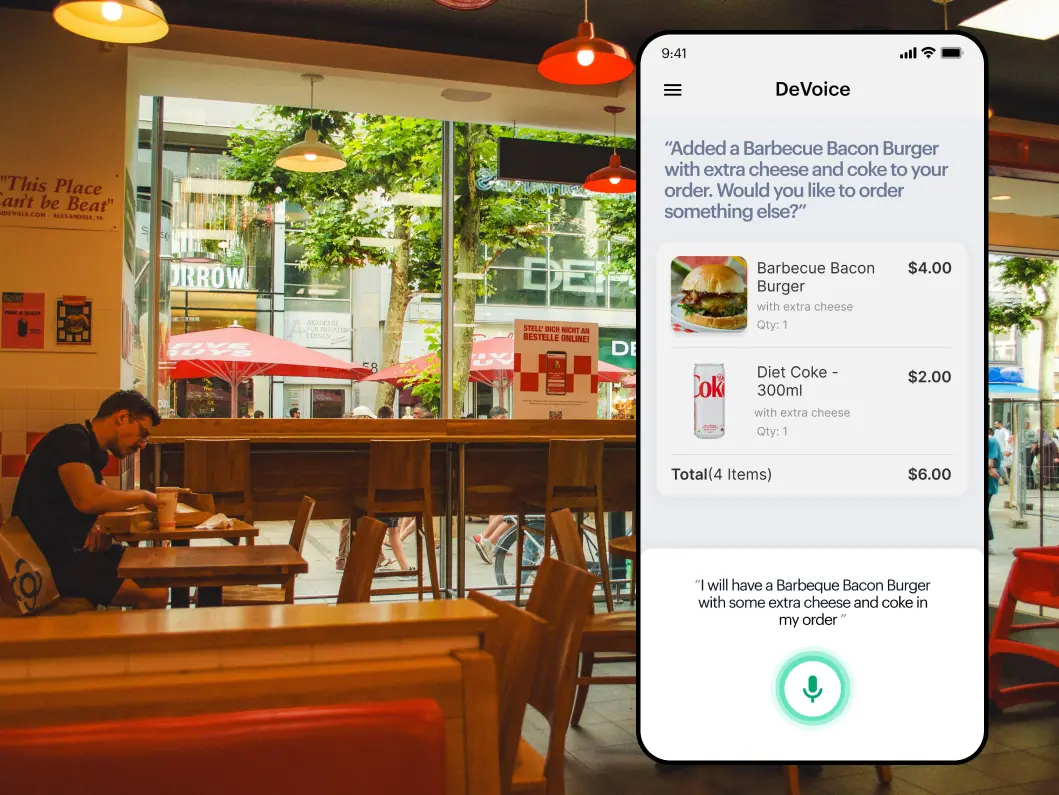
Redefining Restaurant Ordering with a Voice Ordering Solution
- State-of-the-art voice recognition
- Provides natural dialogues and verbal responses
- Multi language support for diverse customers
- Dynamic interaction for enhanced engagement
Leading brands we’ve worked with

Adaptive AI development
Problem Definition
Data Collection, Training and Evaluation
Model Design and Evaluation
Deployment
Deployment & Maintenance
Problem Definition
Data Collection, Training and Evaluation
Model Design and Evaluation
Deployment
Deployment & Maintenance
Our core-expertise in adaptive AI systems development
Machine Learning
Our developers possess a comprehensive understanding of machine learning techniques, such as continual, supervised, and unsupervised learning, deep reinforcement learning, and attention mechanisms. This proficiency allows us to effortlessly integrate adaptive AI models into existing systems.
Natural Learning Processing
We are experienced in NLP techniques such as sentiment analysis, topic modeling, and language translation, which makes us more proficient in training and building an adaptive AI solution.
Data Analysis & Statistics
We have experience and familiarity with statistical models utilized in machine learning, including Bayesian models and Gaussian processes. Our Adaptive AI development process is built around a solid comprehension of statistics which encompasses probability, regression analysis, and hypothesis testing.
Cloud Computing
Our AI engineers use cloud computing platforms like AWS and Azure to build scalable Adaptive Ai solutions which can be easily deployed across multiple devices for a wider audience usage.
Adaptive AI systems development

What our clients say
See how businesses are using our AI solutions to make better decisions with measurable impact.
Within 3 months of working with Markovate, we reduced manual clinical coding work by 65%. We’re pleased with the AI agents supporting our workflows.

Markovate’s AI platform helped improve our property inspection accuracy and reduce operational costs by 86%, helping us deliver a better customer experience.

Markovate’s AI Blueprint Classifier can process more than 150 drawings in a single pass, helping us prepare takeoffs and estimates faster.

Markovate helped us automate 95% of our paratransit workflows. We’ve been impressed by their team and the effectiveness of their solution.

We worked with Markovate to build a financial tool for our business and clientele. The experience and results have exceeded our expectations. Markovate's team is great to have on your side if you need an experienced technology partner.

As a retail business, finding the right technology partner was crucial. We partnered with Markovate, who expertly guided our product development from concept to launch. Their recommended innovative solutions have significantly enhanced our operations and reduced our costs.

Markovate’s legal AI assistant has reduced our argument preparation time by 78%. It supports our research and is used daily by our legal team.

Markovate built an AI workflow for investor presentations. With minor edits, we can now prepare presentations in 3 hours instead of several days.

Markovate’s AI solution helps us find information across support mailboxes and SharePoint, update FAQs, and maintain consistent customer responses. Within a few months, our overall work efficiency increased by 69%.

Markovate's AI Blueprint Classifier helped us significantly accelerate our quotations, cost estimations, and timeline planning. The automation and accuracy it brought to our blueprint analysis have been a major value-add to our pre-production process.

The AI Interview Agent has improved our hiring efficiency by 80% through natural conversations and automated scoring. Candidates can complete interviews anytime, giving our team greater screening flexibility.
DeVoice helps us manage customer support workflows and answer customer queries. Since implementation, we’ve seen a 54% increase in positive reviews.
For our live interviewing platform, we have worked with Markovate on building the infrastructure and roadmap planning. They have advised us on great solutions, and we highly recommend their team.

We worked with both Rajeev and Mansi on Hawaii Revealed app development and launch. Excellent people with a thorough understanding of their business. They are experts in providing AI solutions for scalability and product modernization.

I would recommend Markovate to businesses looking for a reliable technology partner. Their team combines strong technical skills with a deep understanding of business needs.

Adaptive AI systems development
What is the typical timeline for developing and deploying an adaptive AI solution?
What industries have you successfully implemented adaptive AI solutions in?
Adaptive AI is transforming key industries such as finance, healthcare, manufacturing, and retail. We’ve successfully implemented solutions that enhance fraud detection, improve patient outcomes, boost production efficiency, and personalize customer experiences across industries. To learn more about our successful AI implementations, see our work.
How do you ensure that the adaptive AI solution will align with our business goals?
How do you ensure that your adaptive AI solutions are secure and compliant with industry regulations?
What kind of support do you provide after the adaptive AI solution is deployed?
Point of view
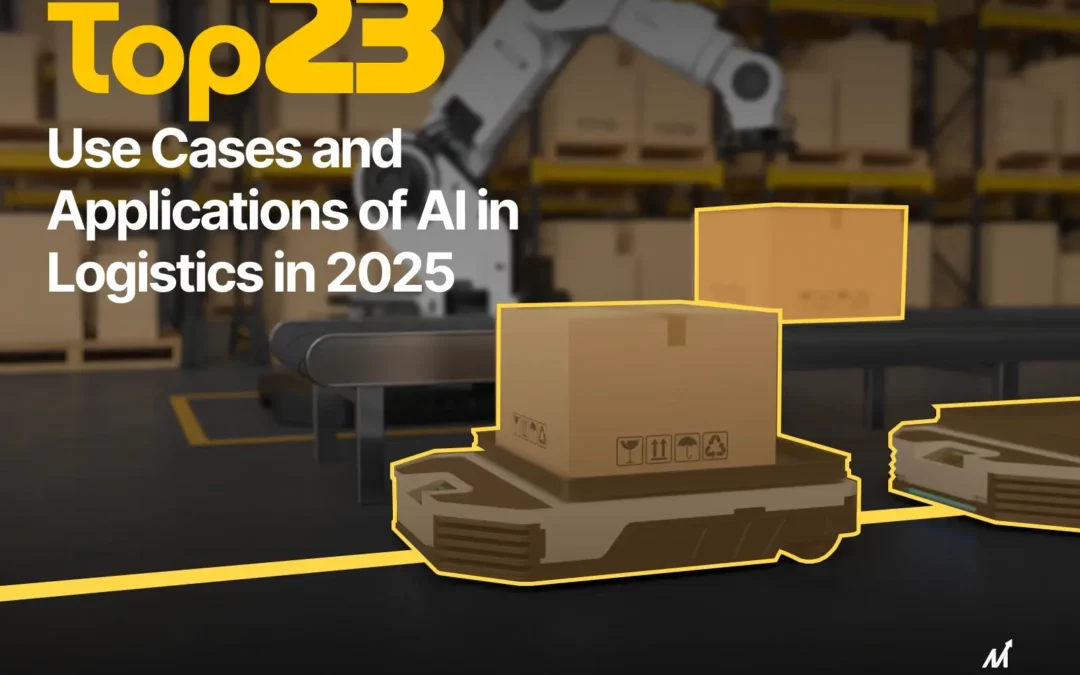
AI in Logistics: 15 Use Cases to Know for 2027
Customers expect next-day delivery, fuel and labor costs keep rising, and one port delay can ripple through a whole network. That's why logistics teams are putting AI to work, and the spending shows it. The AI in logistics and supply chain market was worth about $20.1...
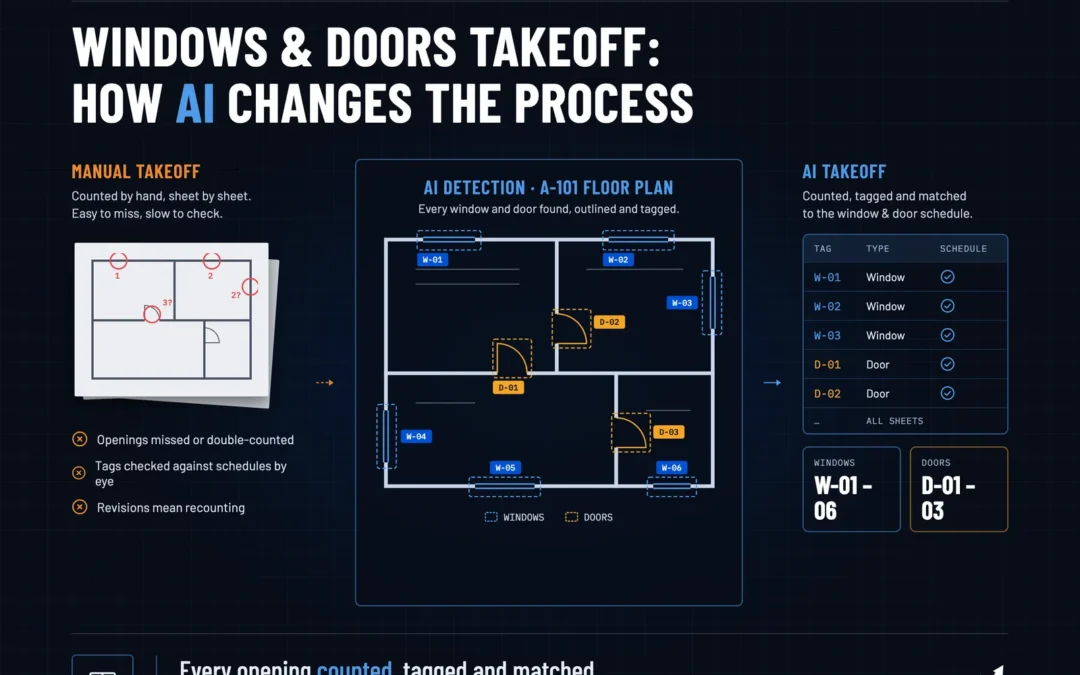
Windows and Doors Takeoff: How AI Changes the Process
A window and door takeoff starts with a drawing set, but the information needed for it rarely sits in one place. Window marks may appear on elevations, while sizes and types appear in schedules. Plans can show locations, dimensions, and other details that affect the...
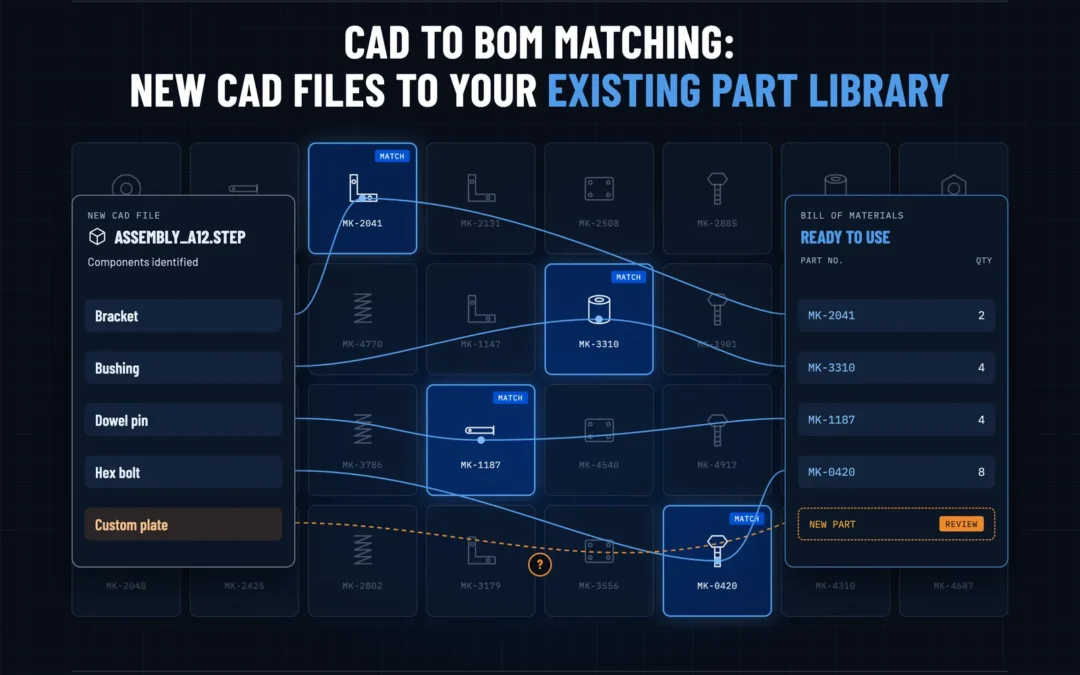
CAD to BOM Matching: New CAD Files to Existing Part Library
A new customer CAD file does not always mean a new part. Manufacturers often receive CAD files for components that may already exist in their part library. The challenge is finding that connection. A new file may use a different name, contain limited metadata, or look...
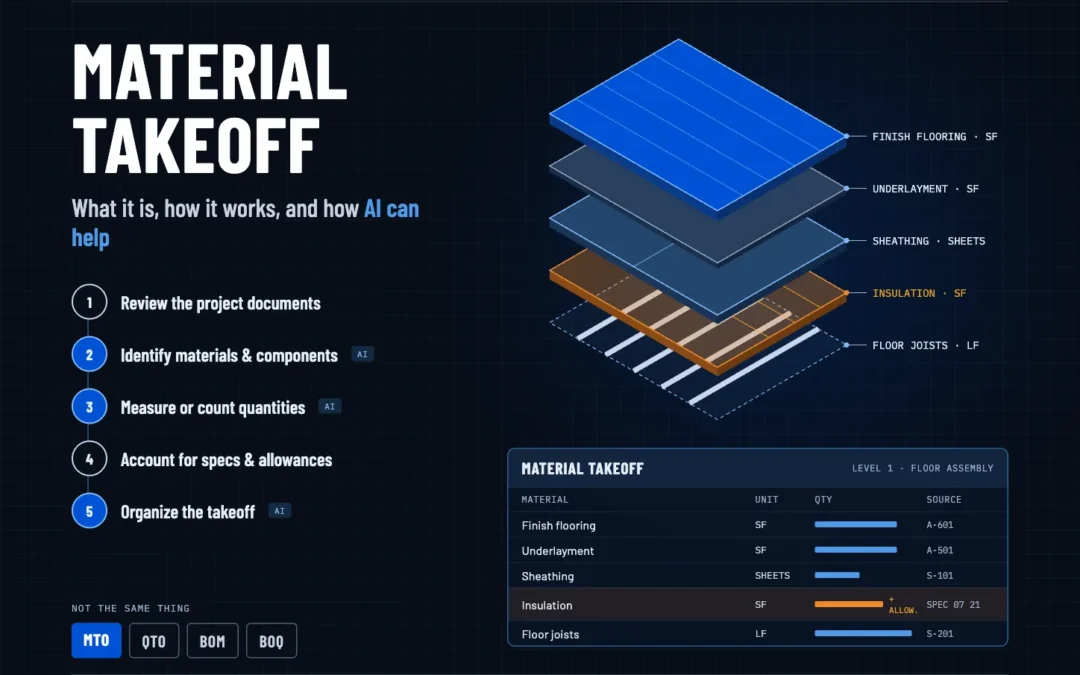
Material Takeoff: What It Is, How It Works, and How AI Can Help
A material takeoff identifies the materials needed for a construction project and determines the quantity of each item. Estimators use this information to prepare accurate cost estimates, bids, and procurement plans. The process starts with construction drawings,...